
If you have spent your life in and around the water, you may have heard a growth on the surface of the eye called “surfer’s eye”. The medical name is a pterygium — a wing-shaped growth that begins on the white of the eye and slowly extends onto the clear cornea. The everyday name is a good one, because it points straight at the cause: years of ultraviolet light, wind, and fine airborne grit. In the Sutherland Shire — Cronulla, the beaches, a lifetime spent outdoors — it is one of the most common surface conditions seen in the clinic.
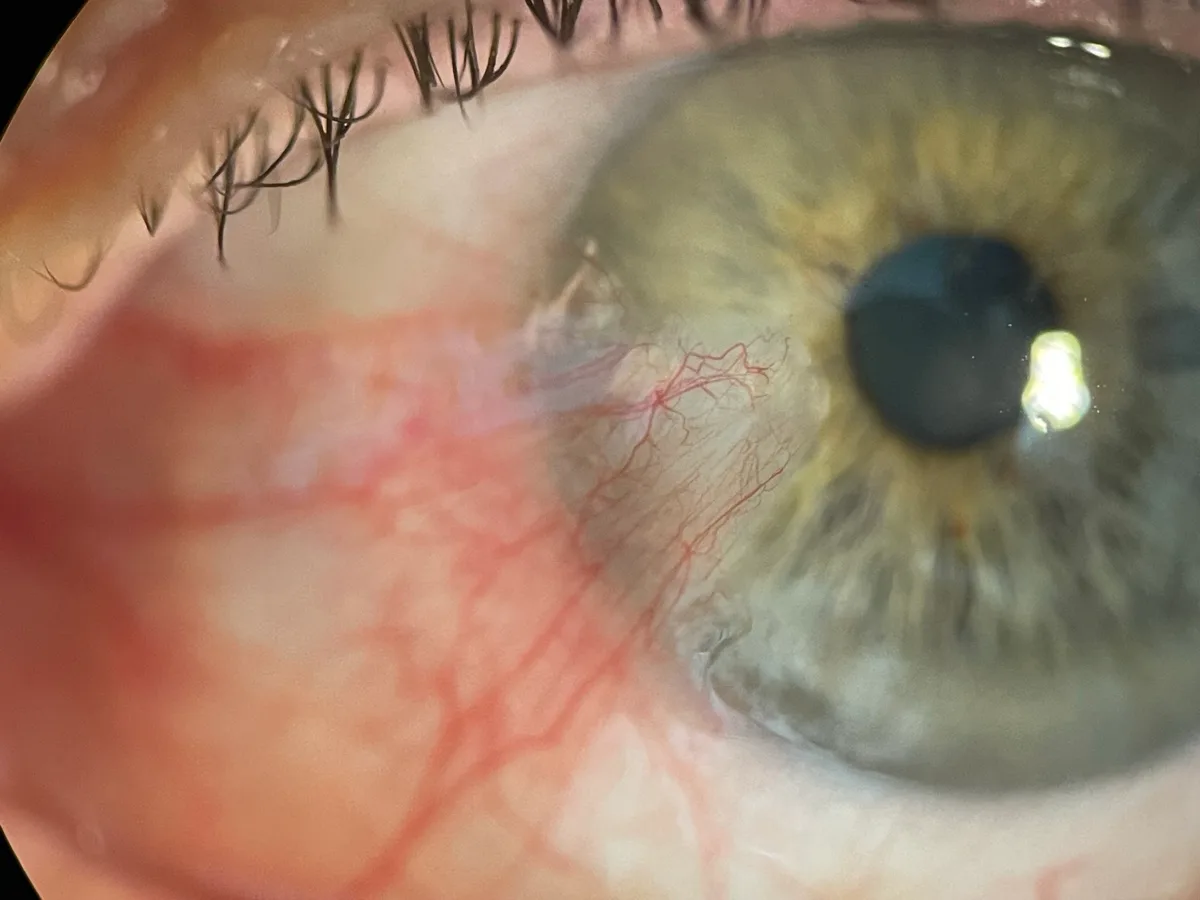
The first thing worth saying is the most reassuring: having a pterygium does not mean you need surgery. Many stay small and stable for years and never need anything more than attention to comfort and sun protection. The decision to operate is not made on appearance alone — it is made on what the pterygium is actually doing, and that is different for every eye.
It is also worth distinguishing a pterygium from a pinguecula — a small, yellowish, slightly raised patch on the white of the eye, caused by the same years of sun and wind. The key difference is that a pinguecula stays on the white of the eye and does not grow onto the cornea, so it rarely threatens vision and seldom needs surgery — though it can become red and gritty when irritated. The two are easy to tell apart at an assessment, and the distinction matters, because it is largely the growth onto the cornea that turns a surface change into something worth treating.
When watching is the right answer
A small, quiet pterygium that is not growing, not affecting vision, and only occasionally irritable is usually best left alone and reviewed over time. Removing it carries its own small risks, and there is little to gain from operating on a growth that is doing no harm. For many people the sensible plan is good sunglasses, lubricating drops for the gritty days, and keeping an eye on whether anything changes.
When surgery is worth considering
Surgery enters the conversation when a pterygium starts to earn its keep as a problem. The factors that genuinely shift the balance toward pterygium surgery include:
- It is growing onto the cornea, advancing across the clear surface toward the line of sight
- It is distorting the cornea and inducing astigmatism, blurring vision even before it reaches the centre
- Persistent irritation, redness, or a gritty, inflamed feeling that lubricants no longer settle
- It interferes with contact lens wear
- It is complicating cataract planning by distorting the measurements used to choose a lens
- Its appearance is a genuine concern to the person living with it
- The diagnosis needs to be confirmed. Occasionally a growth does not look typical for a simple pterygium, and A/Prof Hunt may suspect ocular surface squamous neoplasia or another malignancy. In those cases the growth is removed and sent for examination under the microscope — both to treat it and to be certain exactly what it is.
No single one of these is an automatic trigger. The point of the assessment is to weigh them together for your eye, rather than treat every pterygium the same way.
What the operation involves
Pterygium surgery is a day procedure. The eye is fully numbed beforehand, so the surgery itself is not painful. The growth is removed and — importantly — the bare area is covered with a small graft of the eye’s own surface tissue, taken from under the upper lid. This is called a conjunctival autograft, and it is the technique with the strongest evidence for reducing the chance the pterygium comes back.
That last point matters. The main drawback of pterygium surgery has always been recurrence, and older methods that simply removed the growth and left the area bare had high return rates. The autograft technique changed that considerably. Afterwards the eye is red and feels gritty for a couple of weeks while the surface heals, and most people are back to their usual routine well before it looks fully settled.
A fuller account of how pterygium surgery in Miranda is planned and performed, including the graft and what recovery looks like week by week, is set out on the treatment page.
The part you can control
Whether or not a pterygium ever needs surgery, the thing driving it is cumulative sun exposure — and that is the part within your control.
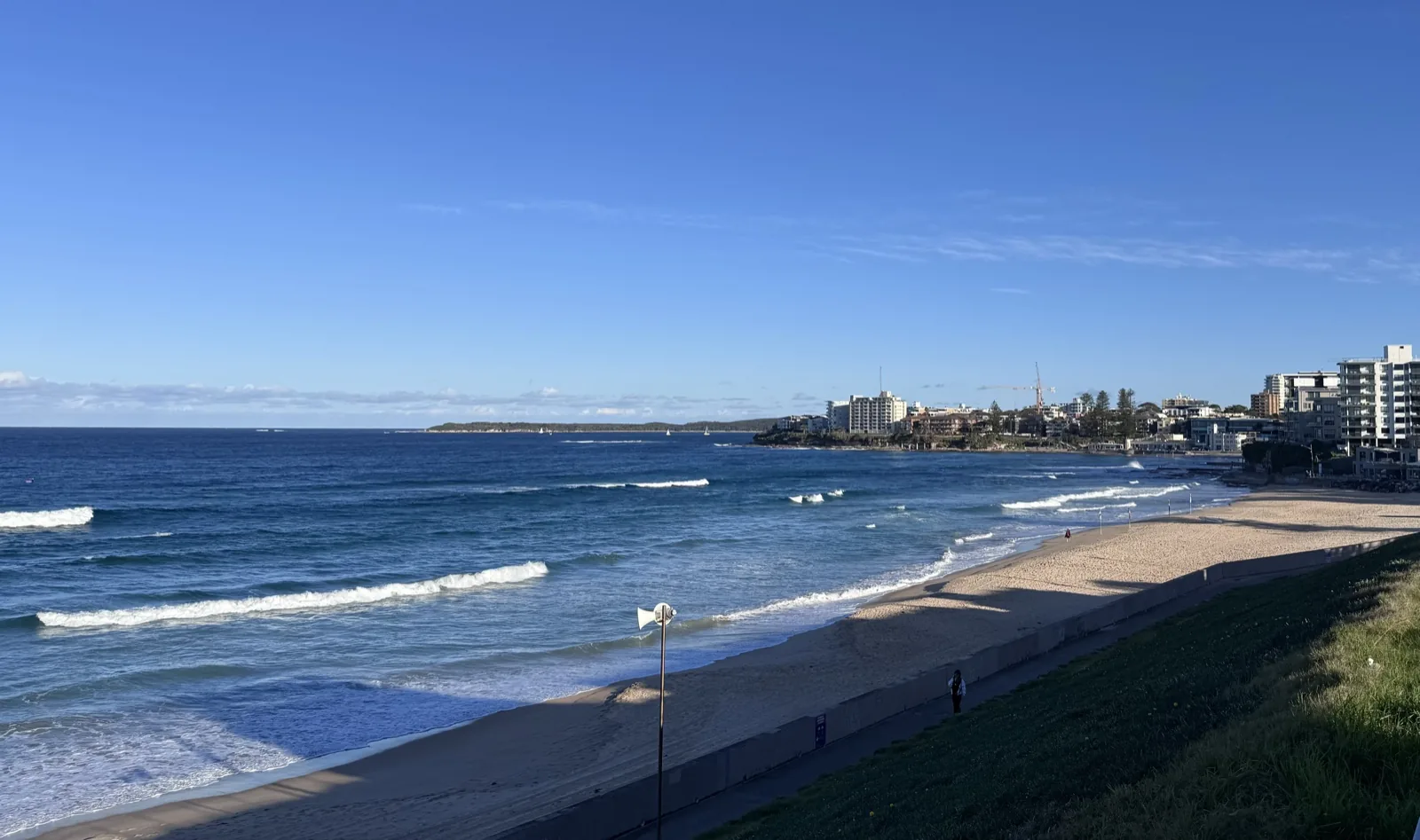
The same routine that protects the lid skin protects the surface of the eye:
- Sunglasses meeting the Australian standard (AS/NZS 1067) — not all sunglasses do
- Wraparound or larger frames that shade the eye from the sides, where light reflected off water and sand gets in
- A brimmed hat, which does work no lens can
Protection will not reverse a pterygium that is already there, but it limits the further ultraviolet damage that can promote more growth — and it reduces the chance of recurrence after surgery.
Alongside protection, some simple measures help with day-to-day comfort. Artificial tear supplements — lubricating eye drops — keep the surface of the eye well lubricated and ease the dryness, grittiness, and irritation a pterygium can cause, even when surgery is not needed.
If you have a growth on the eye that is changing, becoming more irritable, or starting to affect your vision, it is worth having it assessed rather than guessed at. Most are straightforward; the value is in deciding, for your eye specifically, whether to watch it or treat it. There is more on the wider effects of sun exposure on the eye in an earlier note on sun damage →.
To arrange an assessment, call (02) 8544 0719 or ask your GP or optometrist to send a referral to Eye Surgeons Miranda.
Read next: Pterygium surgery with A/Prof Adrian Hunt →