
Specialist cataract and retina care in Miranda.
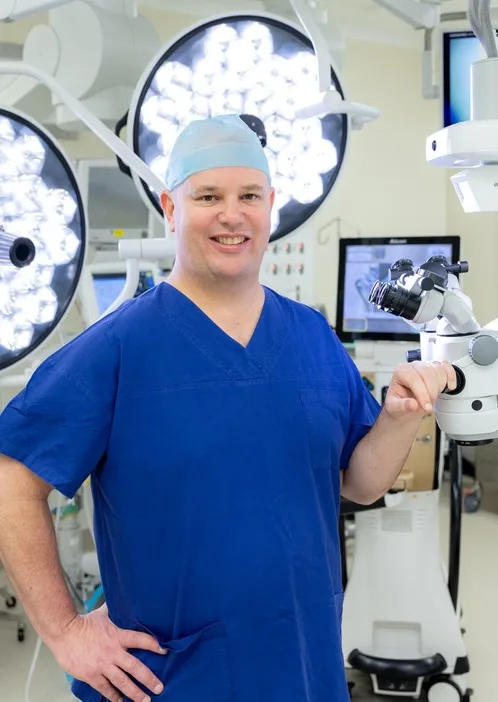
The same ophthalmologist, every visit.
How has your vision changed?
Gradually worsening vision
Colours look duller, night driving feels harder, and reading small print takes more effort. Coming in doesn't mean surgery — it means a clear picture of what's happening, and the right timing if treatment is needed.
A sudden change in vision
Distortion, a shadow, or a difference between the two eyes are changes that warrant prompt specialist assessment. Outcomes are highly dependent on how quickly assessment and treatment begin.
Areas of expertise.
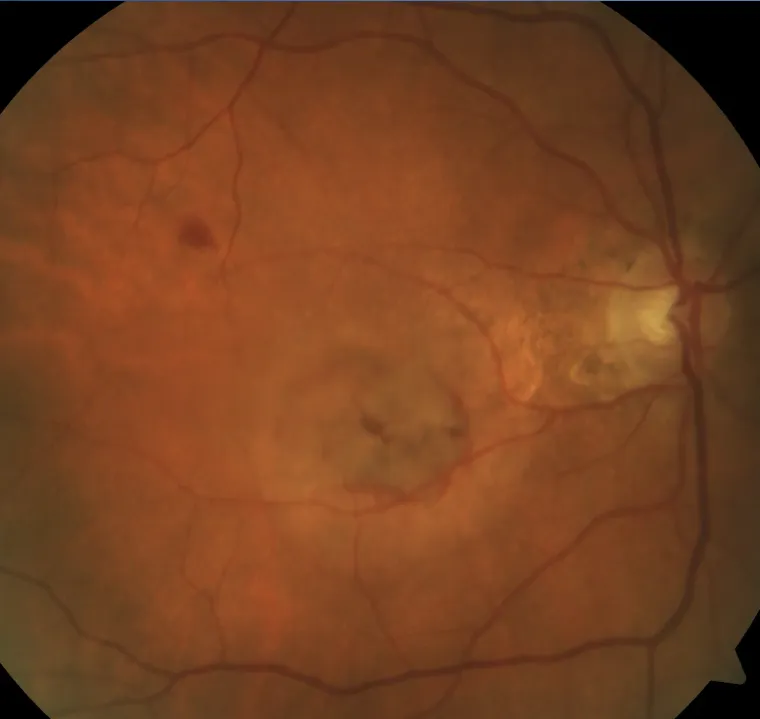
Macular degeneration
Injection therapy informed by ongoing clinical research, and new treatments for dry macular degeneration.
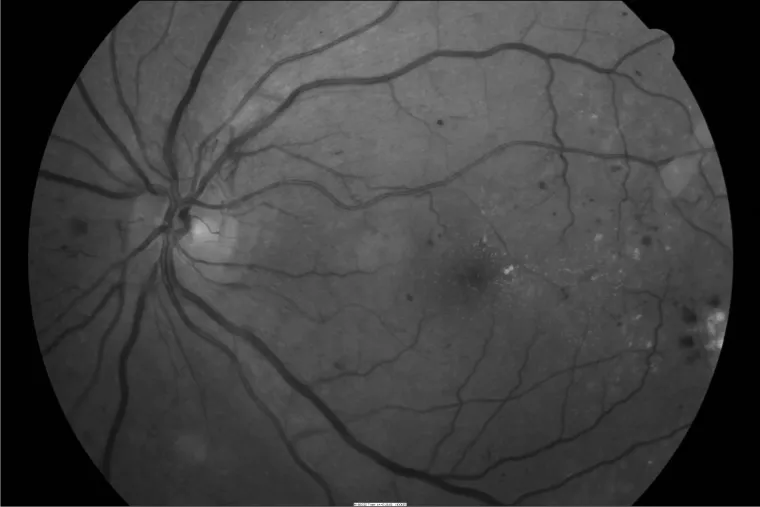
Diabetic eye disease
Diabetic macular oedema and proliferative retinopathy. Injection and laser therapy.
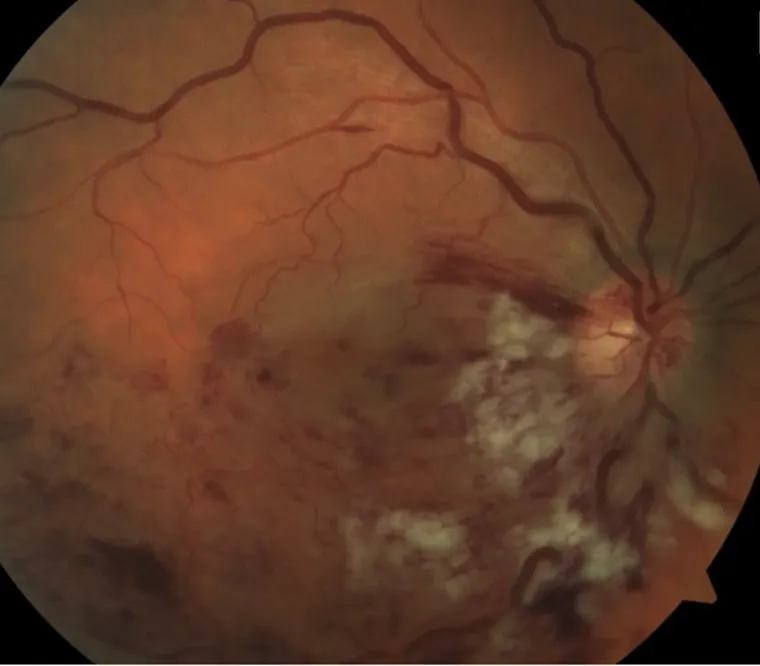
Retinal vein occlusion
Assessment and treatment for blocked retinal veins, guided by A/Prof Hunt's PhD research in retinal vein occlusion.
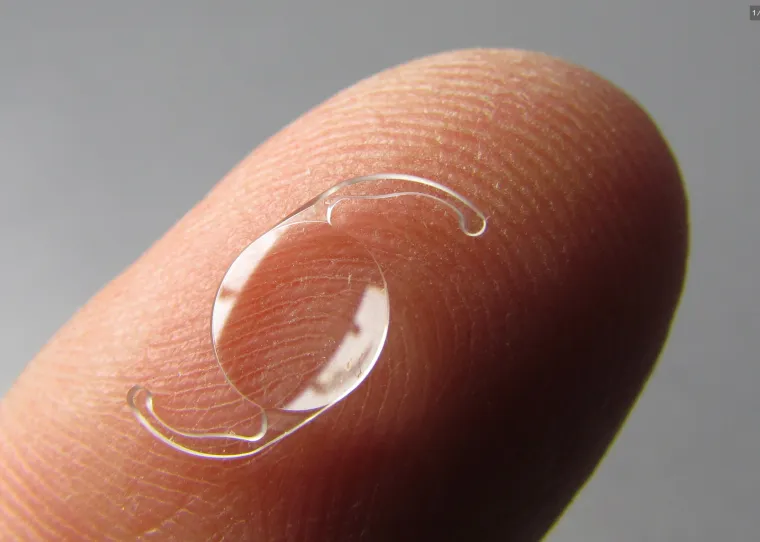
Cataract surgery
Multifocal and extended depth of focus (EDOF) lens implants. Minimally invasive glaucoma surgery (MIGS) where indicated.
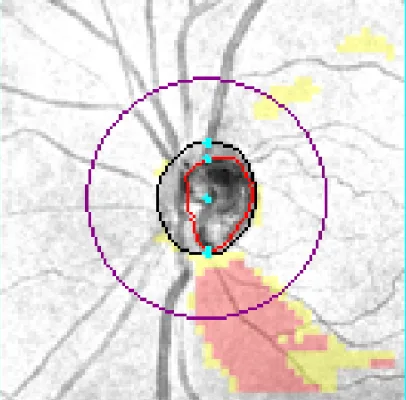
Glaucoma
Medical management, long-term surveillance, iStent at time of cataract surgery.
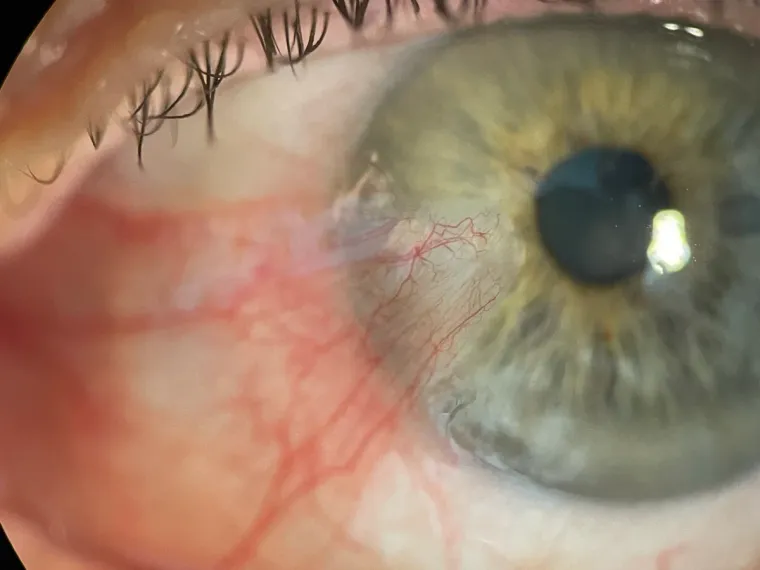
Pterygium
Surgical management with conjunctival autograft, minimising recurrence rates.
A clear path from first visit to follow-up.
Specialist examination
A thorough consultation with the imaging and tests needed to reach the right diagnosis.
A plan you understand
The cause explained in plain terms, with the options that apply to your situation.
Continuity with one doctor
The same specialist through treatment and follow-up, with your referrer kept in the loop.
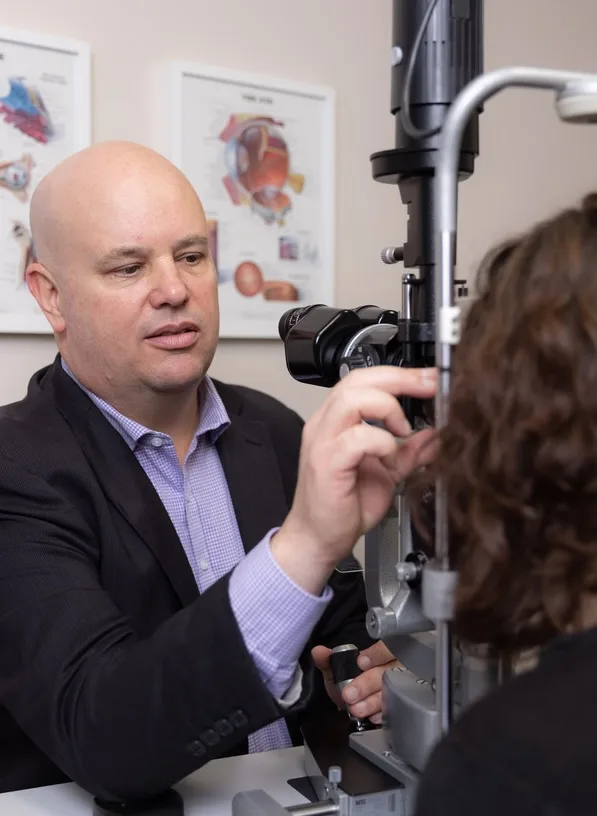
Consultant ophthalmologist in Miranda.
A/Prof Adrian Hunt is a Fellow of the Royal Australian and New Zealand College of Ophthalmologists, with training at Sydney Eye Hospital, a medical retina fellowship at Westmead Hospital, and a PhD in retinal disease from the University of Sydney.
He established Eye Surgeons Miranda in 2011, where he practises as an eye specialist for the Sutherland Shire — cataract surgery, medical retina, and other eye conditions requiring specialist assessment. He continues as a staff specialist at Westmead Hospital, holds an Associate Professor appointment at the University of Sydney, and serves on the Advisory Committee on Medicines at the Therapeutic Goods Administration.
Eye imaging and treatment available on site.
Detailed retinal scans and the precise eye measurements for cataract surgery, taken here at your visit — using OCT (a detailed scan of the retina), OCT-angiography, fundus photography, and the IOL Master 700 and Pentacam.
Glaucoma monitoring, laser treatment, and dry-eye therapy without a separate appointment — including visual field testing, YAG laser, retinal laser, IPL (intense pulsed light) for dry eye, and Pentacam imaging.
Two procedure rooms mean most treatment, including eye injections and other minor procedures, can be done on site rather than at a hospital.
Larger procedures such as cataract, pterygium and eyelid surgery are performed nearby at a fully accredited, major day-surgery facility.
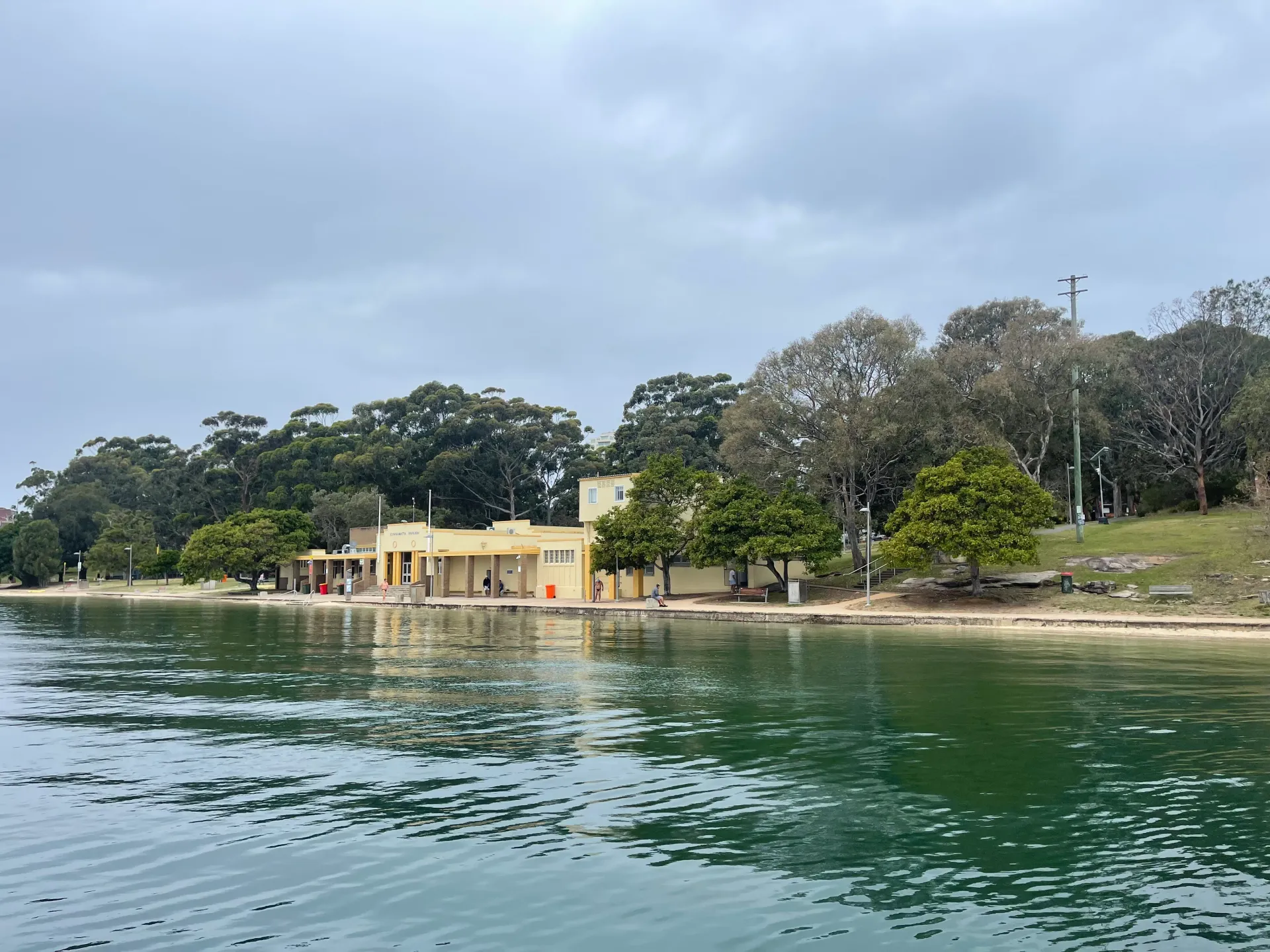
Miranda, Sutherland Shire.
Miranda NSW 2228
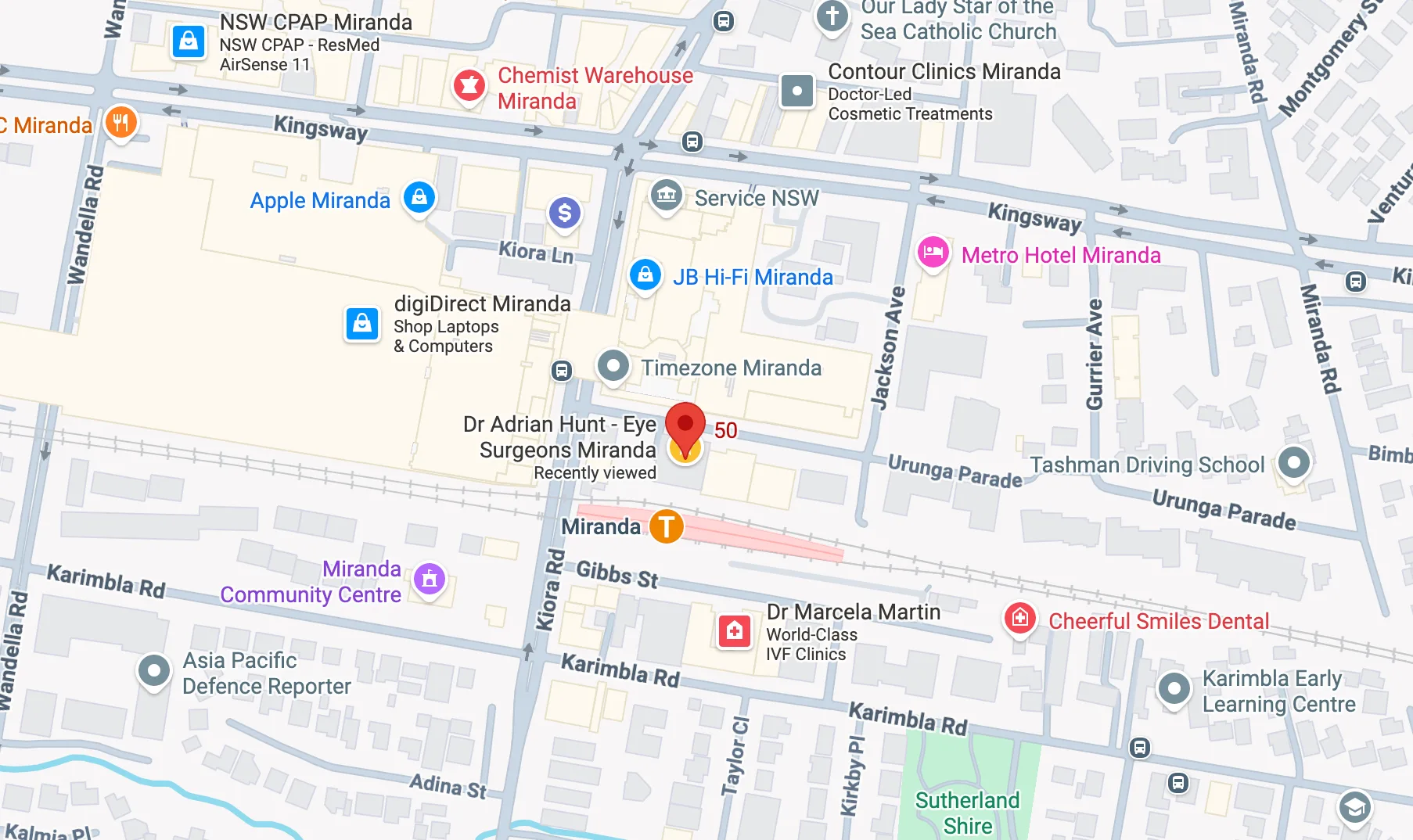
Frequently asked questions.
Do I need a referral to see an ophthalmologist?
A current referral from a GP or optometrist is required to claim the Medicare rebate on your consultation. A twelve-month referral from a GP and an indefinite referral from an optometrist are both accepted. Without a referral the consultation is still available, at the full private fee.
What does a cataract surgeon do?
A cataract surgeon is an ophthalmologist who removes the clouded natural lens of the eye and replaces it with a clear intraocular lens chosen to suit your vision. The procedure is performed as day surgery, with the eye fully numbed.
What is medical retina?
Medical retina is the ophthalmic subspecialty concerned with retinal disease diagnosed, monitored and treated in the clinic — principally macular degeneration, diabetic retinopathy and retinal vein occlusion. Treatment typically involves intravitreal injection therapy and retinal laser, both available in the practice.
What should I expect at my first appointment?
Expect to be at the practice for approximately ninety minutes. Your pupils will be dilated for a full retinal examination, so driving immediately afterwards is not recommended.
What should I bring to my appointment?
Bring your referral letter, a list of current medications (including any eye drops), your glasses or prescription, Medicare card and private health insurance card, and any previous imaging or eye records if you have them. If someone is driving you home, bring them along — your pupils will be dilated.