
What Does Your Cataract Assessment Involve?
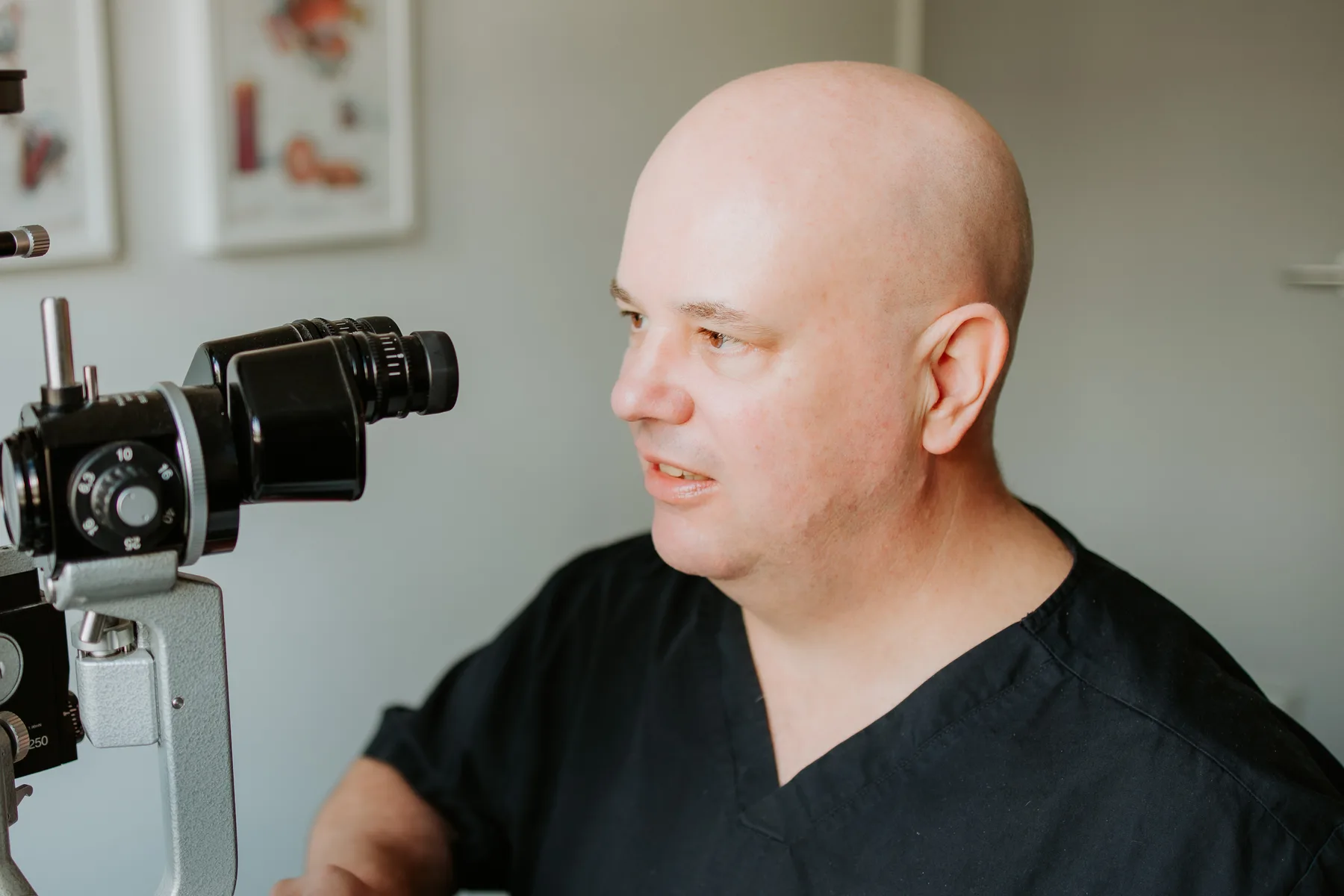
Your consultation begins with a full history of your problem, followed by a thorough examination — not just of the lens, but of the whole eye, including a retinal check. From there, A/Prof Hunt discusses the options with you. If surgery is appropriate, detailed measurements are taken to guide lens selection.
Cataract surgery is usually considered when your vision affects your quality of life.
An Individualised Surgical Plan
Many factors can shape how cataract surgery is planned, and no two eyes are the same. There may be conditions in the eye you weren't aware of — in the cornea, the retina, the macula, or the optic nerve. Medications can matter too: prostate medications such as DuoDart or Flomax affect the way the iris responds during surgery, though they're planned around rather than stopped. Coexistent disease — anything found beyond the cataract itself — can have a significant impact on the outcome. This is where individualising the surgical plan matters. Careful attention now is what makes the surgery itself go to plan.
Where glaucoma is present, A/Prof Hunt may discuss combining cataract surgery with an iStent inject W implant to lower eye pressure at the same time — both conditions treated in a single operation.
Precise Measurements for Cataract Surgery
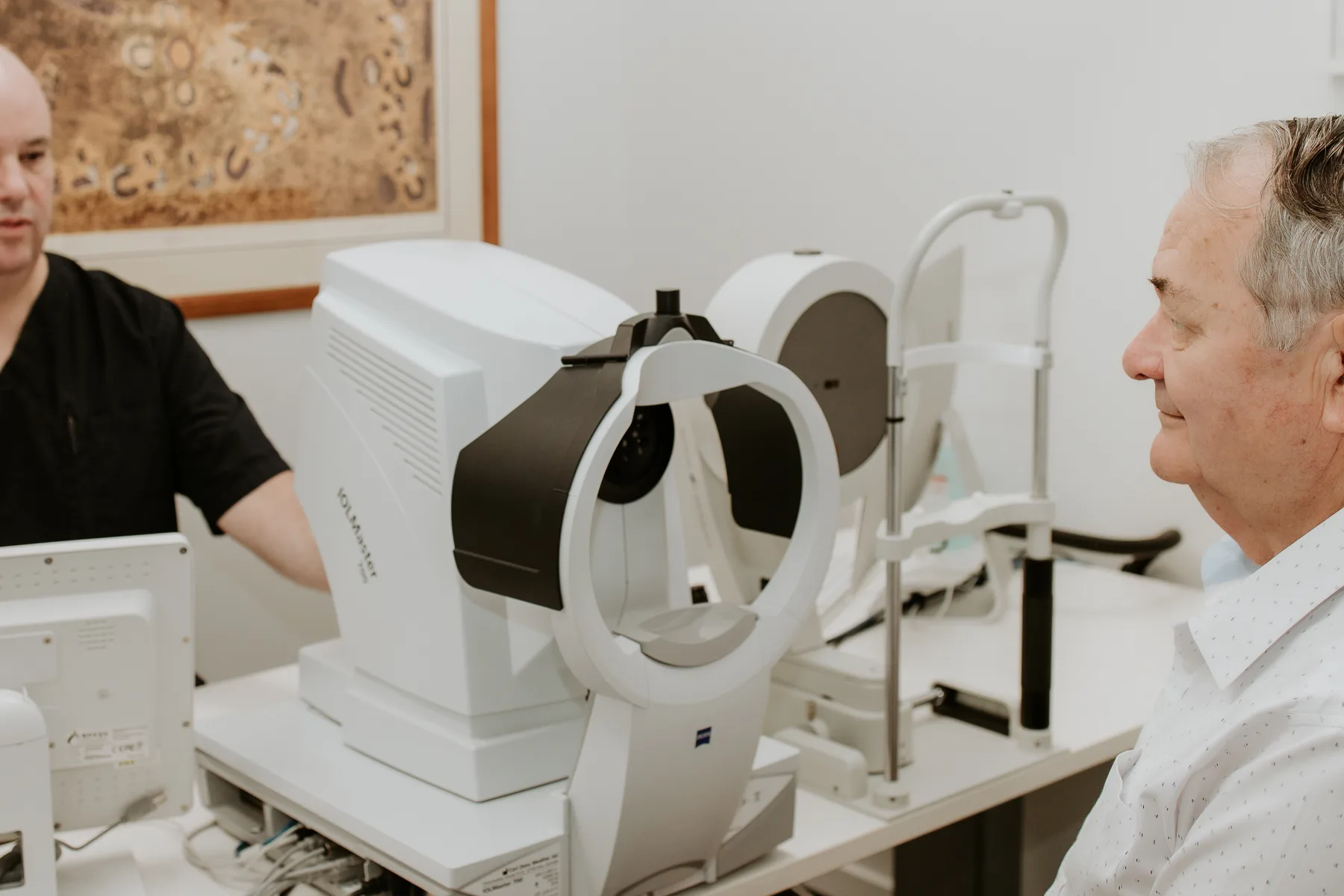
Accurate intraocular lens selection begins with accurate measurement of the eye. The practice is equipped with a Zeiss IOLMaster 700 and Pentacam for detailed biometry and corneal analysis — helping to optimise the choice of intraocular lens for each patient.
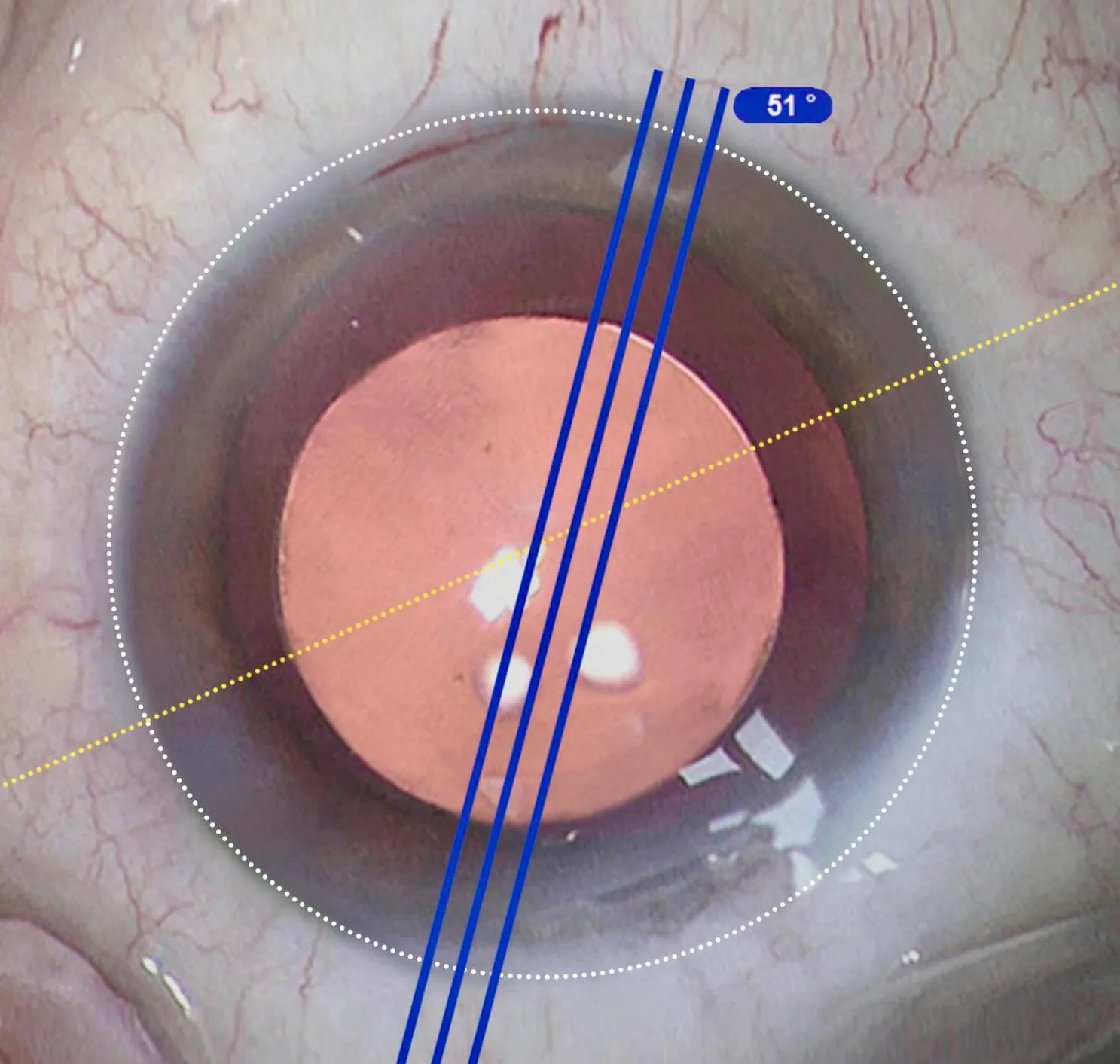
Those measurements aren't only for choosing the lens. They're also valuable during the operation itself, integrating with the Zeiss Callisto Eye in the operating microscope to give A/Prof Hunt a precise heads-up display for accurate intraocular lens positioning.
Planning Your Surgery
Informed consent is an important part of your consultation. Before proceeding, A/Prof Hunt ensures you understand both the risks and the costs involved.
Cataract surgery is one of the safest and most commonly performed operations in medicine. Like any surgical procedure, there are risks — including infection, inflammation, bleeding, and retinal complications. These are uncommon, but they are real, and are discussed with you personally so that your decision to proceed is fully informed.
There are three separate costs associated with cataract surgery: the surgeon's fee, the anaesthetist's fee, and the surgical facility fee. Your private health insurance, if you have it, usually covers the facility fee and contributes toward the surgeon's and anaesthetist's fees. Medicare also provides fixed rebates. The overall cost depends on your individual circumstances, and a detailed written quote is provided before surgery is booked.
Once you're satisfied with the plan, a date is chosen to suit you. The rooms coordinate the booking with the day surgery facility and an anaesthetist. You'll receive written instructions before the day — covering eye drops to start beforehand, which medications to take or hold, fasting, and what to bring.
Common Questions
Do I need a referral to see A/Prof Hunt about cataracts?
You can be seen without a referral, but a current referral is needed for the Medicare rebate on your consultation — a GP referral lasts twelve months, and an optometrist referral is indefinite. Most patients arrange one before their visit.
Will my eyes be dilated at the assessment?
Usually, yes. A thorough assessment includes a check of the retina, which means dilating drops that blur your vision and make your eyes light-sensitive for a few hours. It's best not to drive straight afterwards, so arrange a lift or plan to use public transport — Miranda station is a short walk from the rooms.
Do I have to decide about surgery on the day?
No. The assessment is there to give you the information and set out your options. Whether and when to proceed is your decision, and you are welcome to take time to think it over. Surgery is only booked once you are comfortable with the plan.
Can I bring someone with me to the consultation?
Yes, and many patients do. There is a lot covered in a cataract consultation, and having a family member or friend with you to listen and ask questions is welcome.