
Sunscreen has been under scrutiny. The TGA has been reviewing product claims, and independent SPF testing reported by Choice has raised questions about whether some popular sunscreens deliver the protection they advertise. Almost all of the public discussion has focused on skin elsewhere on the body. The skin around your eyes is rarely mentioned — and it is some of the thinnest, most sun-exposed skin you have.
In an eye clinic, the consequences of cumulative UV exposure are visible every week. Persistent lumps, rough patches, and lesions on the eyelids are routine reasons people come in. Most are benign; a small proportion are skin cancers that need removal.
UV damage isn’t limited to the lid skin. Pterygium — a wing-shaped growth that creeps from the conjunctiva onto the cornea — is another UV-related condition seen routinely in surfers, outdoor workers, and lifelong Shire residents. It can cause irritation, distort vision, and sometimes need surgical removal. Cataract risk also rises with cumulative UV exposure.
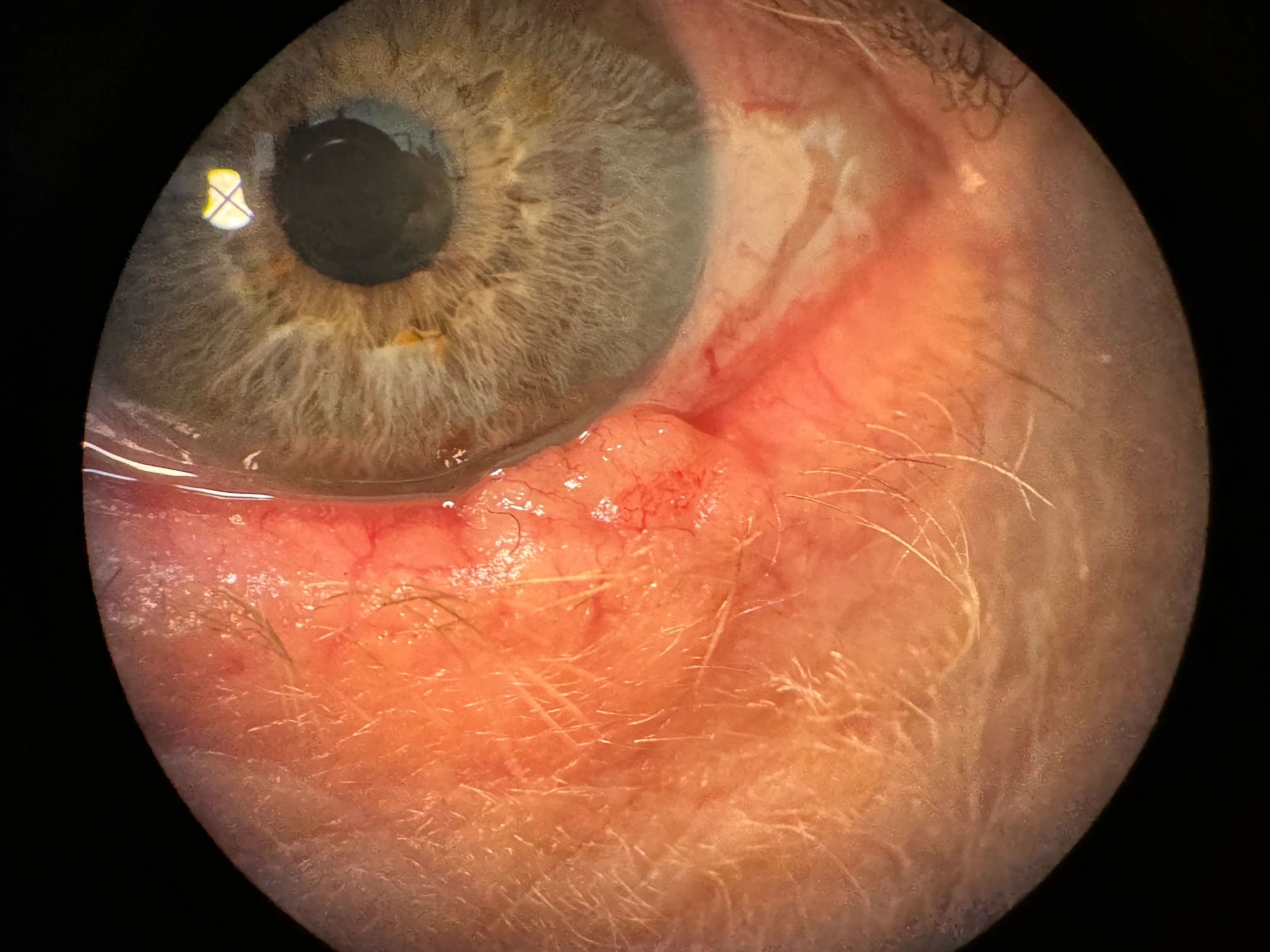
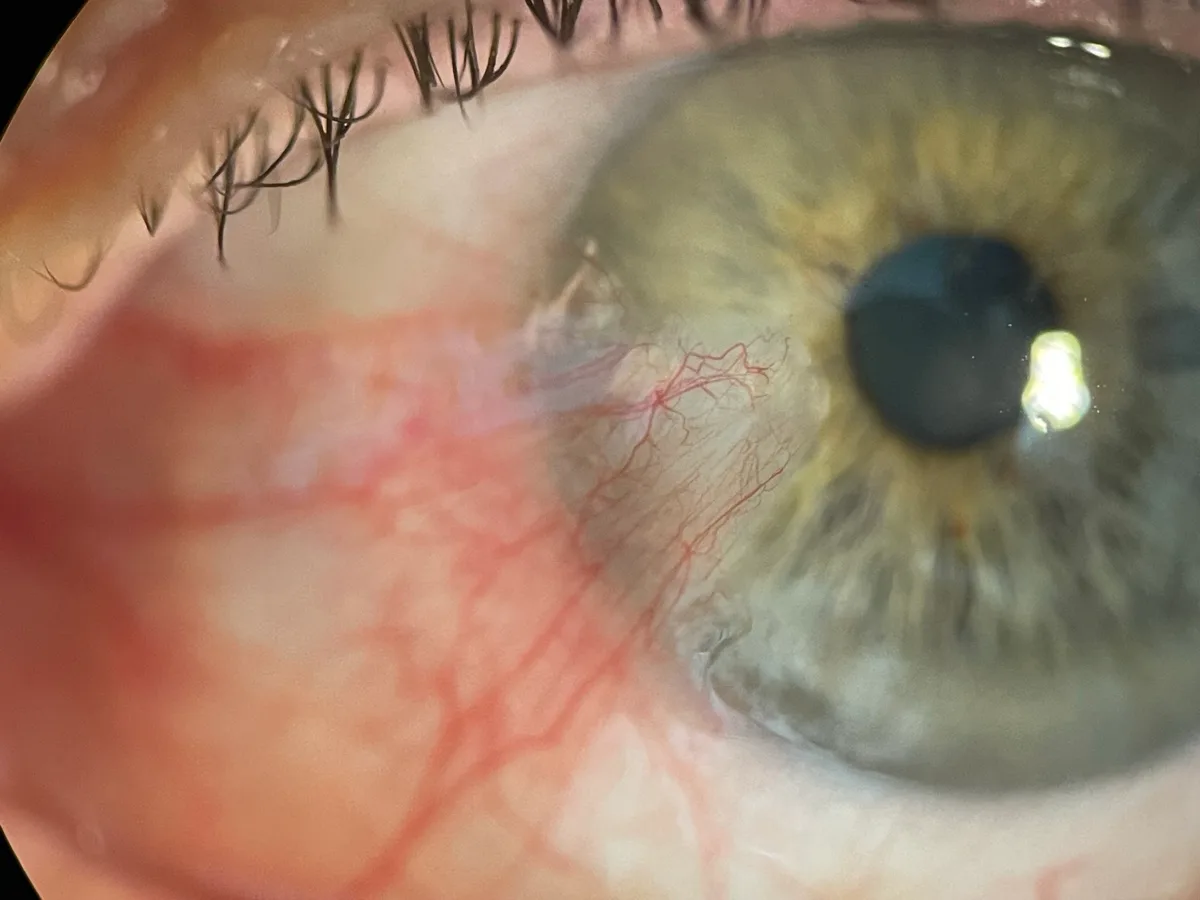
The damage is cumulative. Decades of UV exposure during a Shire lifetime — beach, outdoor sport, gardening — leaves marks that don’t appear until much later. Sun protection isn’t just about avoiding burning today; it is about the long-term consequences that emerge decades from now.
The practical routine isn’t complicated, and it is a daily routine — not a beach-day one:
- Sunglasses meeting AS/NZS 1067 (the Australian standard for UV protection — not all sunglasses meet it)
- Wraparound or larger frames that physically shade the lid skin, not just the lens area
- A brimmed hat does work that no cream can reach
- Sunscreen around the eye area helps, but manufacturers themselves recommend keeping it back from the lid margin
If you have a persistent lump on the eyelid — one that has not settled in a few weeks, that bleeds, that distorts the lid margin, or that makes lashes fall out — have it assessed. Most are benign; the ones that aren’t are best picked up early. More on assessing eyelid lumps and lesions → For pterygium, see pterygium and pterygium surgery →.
To arrange an assessment, call (02) 8544 0719 or ask your GP or optometrist to send a referral to Eye Surgeons Miranda.