
Recovery After Cataract Surgery
Most patients notice clearer vision within the first day or two, and are back to normal daily activities within a week.
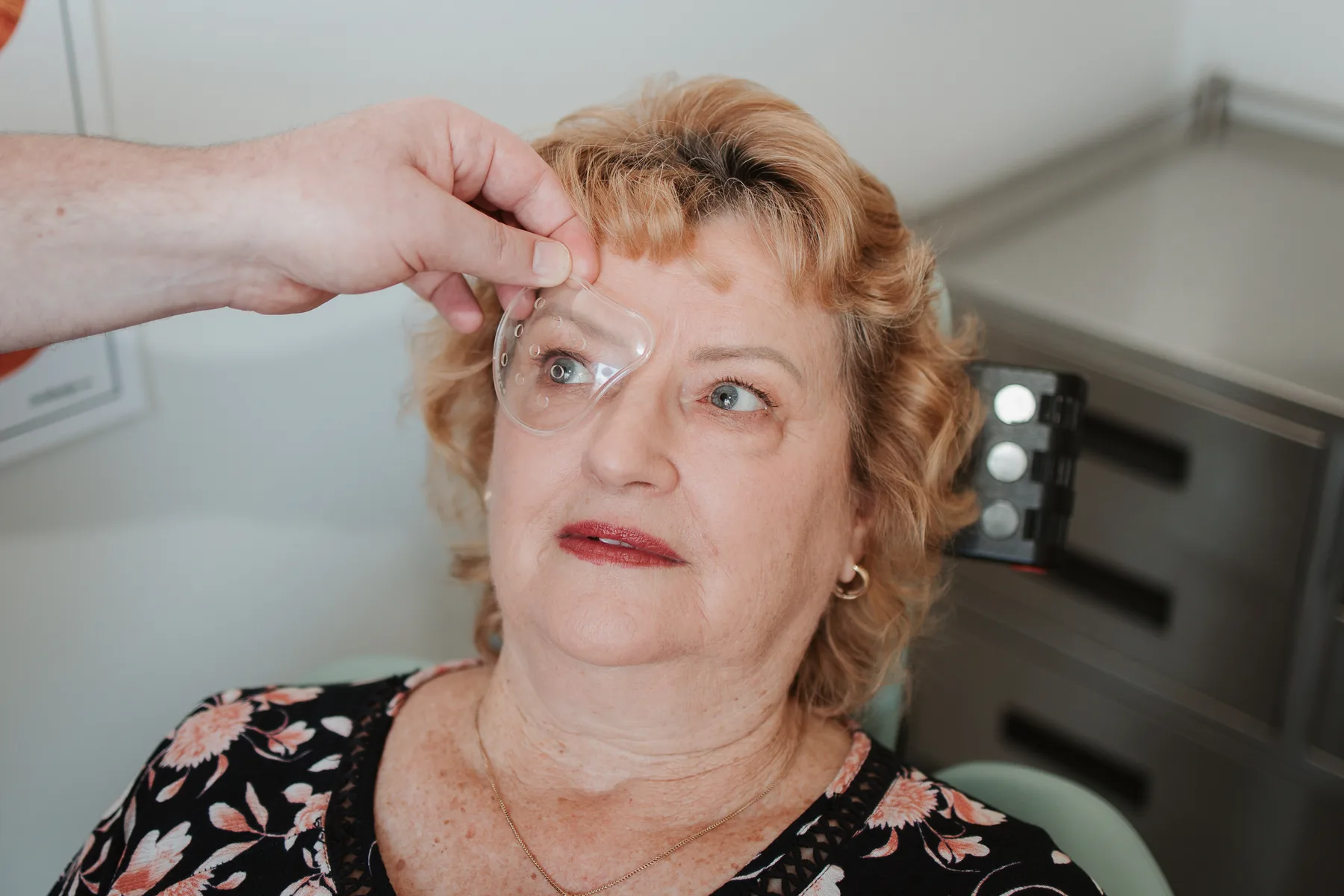
A protective shield is placed over the eye after surgery and stays on overnight. Vision is often already noticeably better when you are reviewed the next morning. The eye continues to settle over the following weeks.
Eye Drops and Follow-Up
Eye drops are the most important part of your recovery. They reduce inflammation and help prevent infection. A clear written schedule is provided so you know exactly which drops to use and when.
Specific guidance on activities, driving, exercise, and returning to work is provided at each follow-up visit. You won't need to guess — A/Prof Hunt's team guides you through each stage.
Longer Term — Posterior Capsular Opacification
In a proportion of patients, the membrane that holds the new lens implant in place — the posterior capsule — gradually becomes cloudy in the months or years after cataract surgery. This is called posterior capsular opacification (PCO), and the typical experience is that vision becomes blurry or hazy again, in a way that can feel like the cataract is returning.
PCO is not a complication of the surgery itself — it is a long-term change that can be quickly and effectively treated with a brief YAG laser procedure performed in the consulting rooms. The lens implant is unaffected.
More on posterior capsular opacification and YAG capsulotomy →Frequently Asked Questions
How long does recovery take?
Most patients are back to normal activities within a week with few limitations. Full healing can take several weeks, and eye drops are continued throughout to support healing.
When can I drive and return to my usual activities?
Driving is assessed at your post-operative reviews. Most patients with clear vision can drive after the first week. Returning to work depends on your profession — office workers can usually resume relatively quickly, while those in physically demanding or high-risk environments may need to limit their activities for longer.
When is the second eye done?
When both eyes need surgery, the second eye is usually done about two weeks after the first — once healing is confirmed and the result is on track.
What if something doesn't feel right?
If you experience increasing pain, worsening redness, or reduced vision after surgery — call (02) 8544 0719 immediately. Outside of hours, present to Sydney Eye Hospital Emergency — they are experienced in assessing patients following eye surgery, whereas your local emergency department may have limited experience in this area.