
If you are taking semaglutide (sold as Ozempic for diabetes or Wegovy for weight loss), you may have seen reports linking these medications to a rare but serious eye condition called non-arteritic anterior ischaemic optic neuropathy — sometimes described in the media as an “eye stroke.”
This is a topic A/Prof Hunt has direct insight into. He sits on the TGA’s Advisory Committee on Medicines (ACM), the committee that reviewed this safety signal in October 2025.
Here is what patients need to know.
What is NAION?
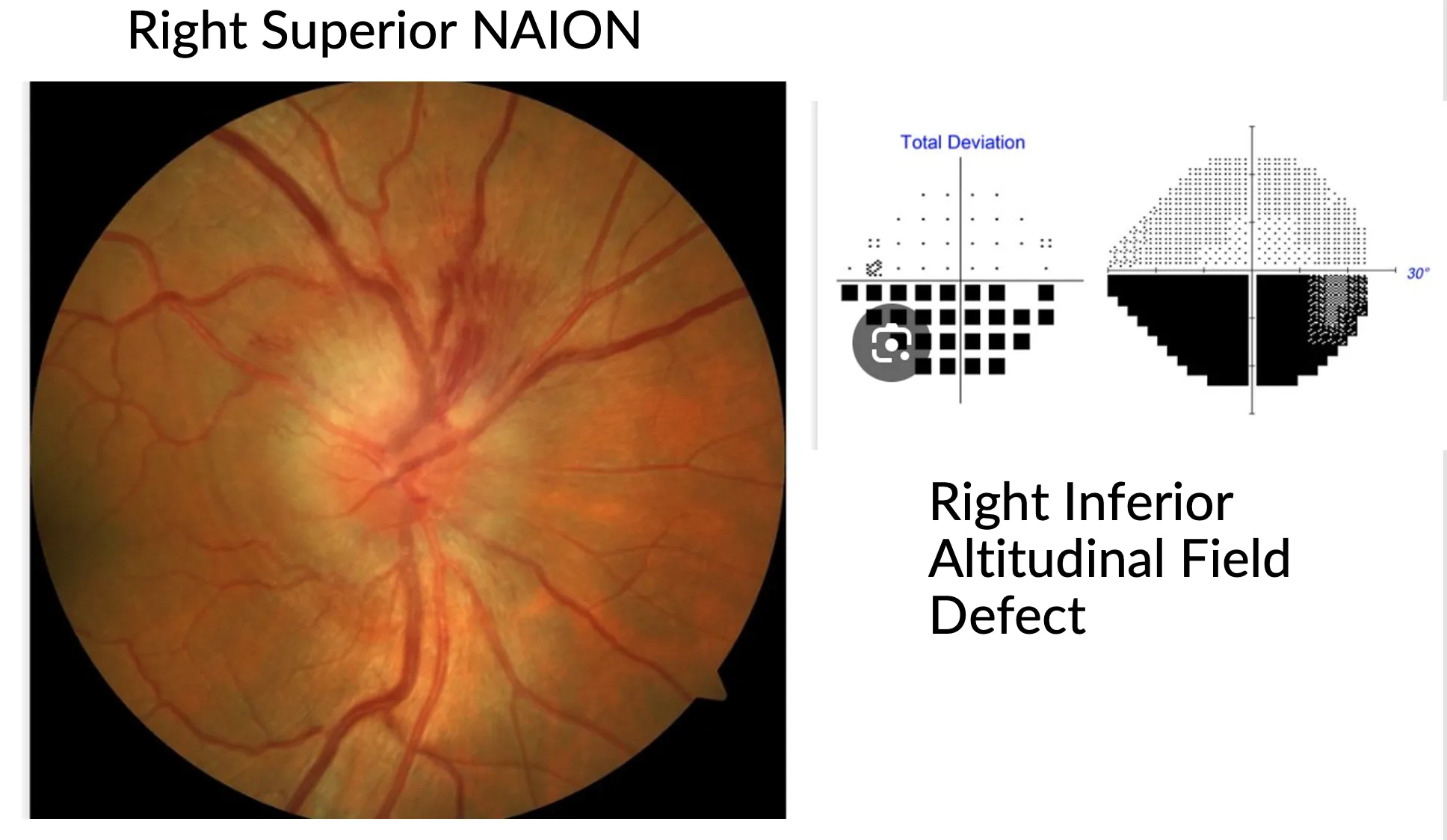
Non-arteritic anterior ischaemic optic neuropathy (NAION) occurs when blood flow to the optic nerve is disrupted, causing sudden, painless vision loss in one eye. Unlike a retinal vein occlusion or a stroke affecting the brain, NAION specifically damages the nerve that carries visual information from the eye to the brain.
The vision loss is typically noticed on waking or develops over hours. It is generally permanent — there is no proven treatment that reliably restores the lost vision.
Most people who develop NAION share a structural risk factor: a small, crowded optic disc (sometimes called a "disc at risk"). This anatomical feature can be identified during a routine dilated eye examination.
What does the evidence show?
A growing number of studies have examined the link between semaglutide and NAION. Most point in the same direction — an approximately two-fold increase in risk — but individually, none have been methodologically strong enough to establish the link definitively. The signal appears to be real, but the evidence has not yet delivered a clean answer. In absolute terms, the estimated increase translates to approximately one additional case in 10,000 person-years of treatment — making it a very rare event, but one that regulatory agencies have taken seriously.
The European Medicines Agency (EMA) has concluded that NAION is a “very rare” side effect of semaglutide. The World Health Organization issued a formal alert in June 2025.
The evidence for other GLP-1 receptor agonists such as tirzepatide and dulaglutide is less clear — the TGA’s review concluded that there is currently insufficient data to establish the same signal for these medications.
What has the TGA done?
The TGA’s Advisory Committee on Medicines reviewed this safety signal at its October 2025 meeting. The committee concluded that the available evidence “may support the signal for semaglutide” and recommended updates to the product information for prescribers, along with a Medicines Safety Update directed at GPs, optometrists, and ophthalmologists.
This is a precautionary response — the evidence points to an association, but a definitive causal link has not been established.
When to seek urgent eye care
Any sudden, painless loss of vision in one eye warrants same-day assessment — whether or not you are taking a GLP-1 medication. This is true for NAION, but also for retinal vein occlusion, retinal detachment, and other conditions where early assessment makes a difference.
If you are taking a GLP-1 receptor agonist and experience sudden vision changes, mention the medication to your ophthalmologist or optometrist — it is relevant clinical information.
Should I stop my medication?
Do not stop any prescribed medication without discussing it with your prescribing doctor. For most patients, the cardiovascular and metabolic benefits of GLP-1 therapy substantially outweigh the very small absolute risk of NAION. The right response is awareness, not alarm — know the symptoms, and seek assessment promptly if they occur.
If you have concerns about your individual risk, a dilated eye examination can identify whether you have the “disc at risk” anatomy that is present in the vast majority of NAION cases.
To arrange an assessment, call (02) 8544 0719 or ask your GP or optometrist to send a referral to Eye Surgeons Miranda.